
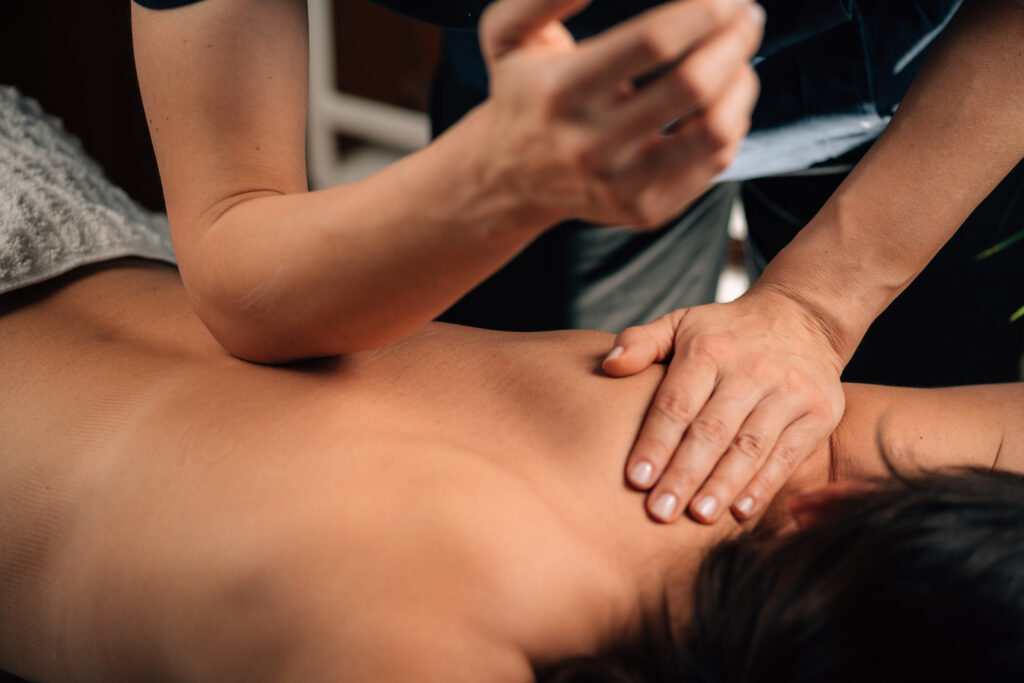
A Deep tissue massage is a type of massage therapy that focuses on the deep layers of muscle tissue. It is used to relieve pain and discomfort, improve flexibility and range of motion, and promote relaxation.
What is deep tissue massage?
It is a massage therapy that focuses on the deeper layers of muscle tissue. It is often used to relieve pain and discomfort in the muscles and joints, and to improve flexibility and range of motion.
They can be performed on any part of the body, but it is most commonly used on the back, shoulders, and legs.
Benefits of deep tissue massage
- Relieving pain and discomfort in muscles and joints
- Improving flexibility and range of motion
- Promoting relaxation and stress relief
- Boosting circulation
- Reducing inflammation
- Encouraging healing
Deep tissue massage is not recommended for everyone. If you have any underlying health conditions, you should talk to your doctor.
How to prepare for a deep tissue massage
Before your massage, there are a few things you can do to prepare for the best possible experience.
First, make sure you drink plenty of water. This will help to flush out toxins and keep your muscles hydrated.
Second, eat a light meal before your massage. This will help to prevent you from feeling nauseous or lightheaded during the massage.
Third, wear loose, comfortable clothing that you can easily move around in.
Fourth, arrive at your massage appointment on time. This will give your therapist enough time to prepare for your massage.
What to expect during a deep tissue massage
During a massage, you can expect the therapist to use a variety of techniques to apply deep pressure to your muscles and connective tissue. These techniques may include:
- Knuckles
- Elbows
- Feet
- Therapeutic balls
- Vibration
During a deep tissue massage, a massage therapist uses slow, firm strokes and deep finger pressure to release tension from the deepest layers of muscles and connective tissues.
This technique can help break up scar tissue that forms following an injury and reduce tension in muscles and tissues.
The therapist will use these techniques to target specific areas of tension or pain, and to help you release knots and adhesions in your muscles.
You may feel some discomfort during the massage, but this is normal. The goal of a massage is to help you release tension and improve your overall health and well-being.
After a massage, you may feel sore for a few days. This is a normal reaction, and it means that your body is healing. The soreness will typically go away within a few days.
Side effects of deep tissue massage
Deep tissue massage can cause some side effects, including:
- Mild soreness
- Bruising
- Tenderness
- Fatigue
- Headache
These side effects are usually temporary and will go away within a few days.
However, if you experience any severe side effects, such as pain that does not go away, numbness, or tingling, you should see your doctor.
When to avoid deep tissue massage
A massage can be a very beneficial treatment for many people, but there are some cases where it should be avoided. These include:
- If you have any open wounds or skin infections
- If you have any bleeding disorders
- If you have any hernias
- If you have any serious medical conditions, such as heart disease or cancer
- If you are pregnant
If you are unsure whether or not deep tissue massage is right for you, talk to your doctor before scheduling an appointment.
Conclusion
Deep tissue massage is a powerful therapy that can help relieve pain, improve flexibility, and promote relaxation.
Here are some resources that you may find helpful:
